Canada’s Proposed Amendments to the Marine Mammal Regulations Fall Short in Protecting All Whales
April 01, 2026
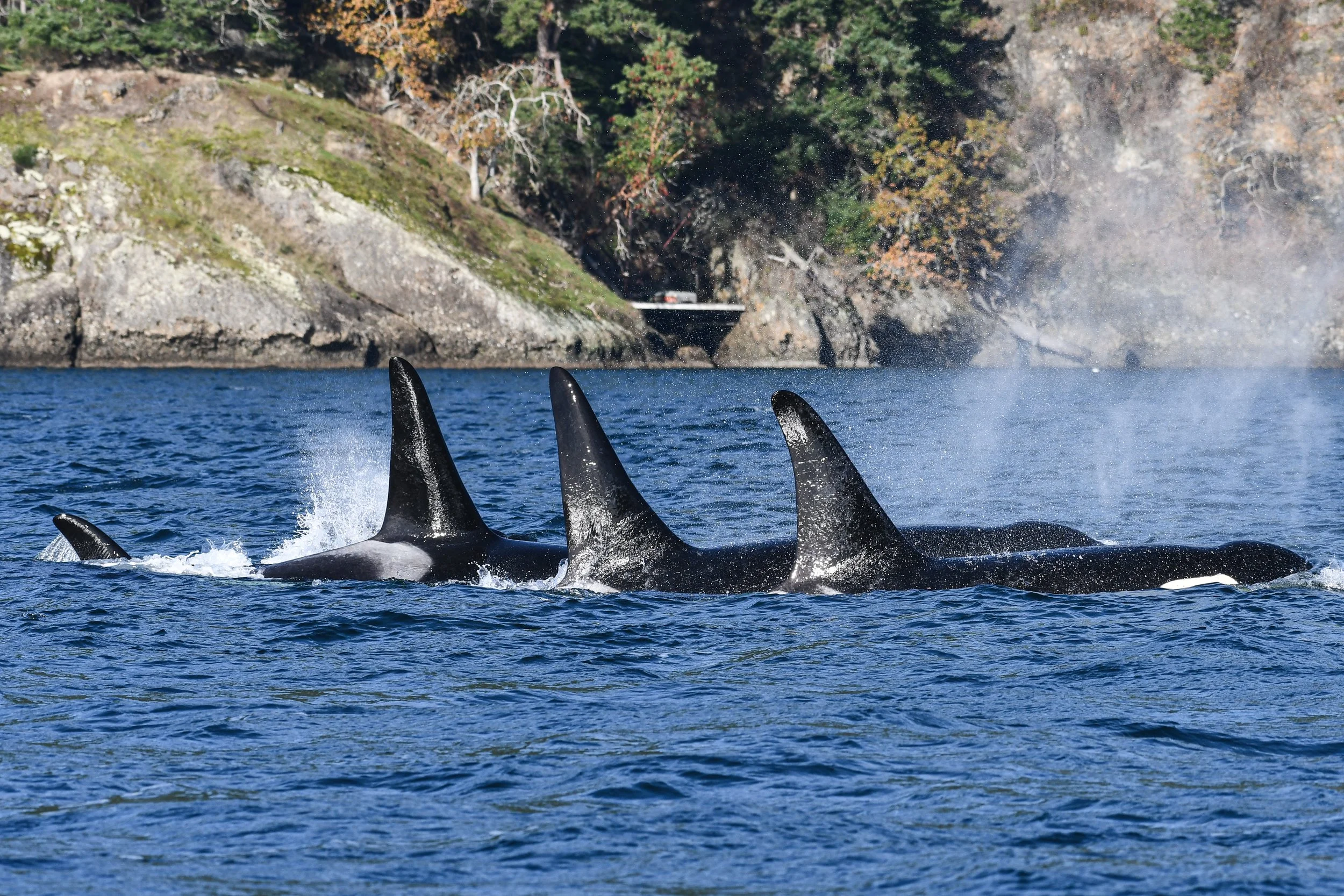
Photo taken from land
On Friday, March 06, the Government of Canada announced their proposed amendments to the Marine Mammal Regulations (MMR). Under the proposed amendments, the avoidance distance for Southern Resident killer whales will increase to 1000m, legislation we have been fighting for for years to protect our relatives of the deep. This is a win for SRKW and we urge you to support this change should you comment on the proposed changes to Canada!
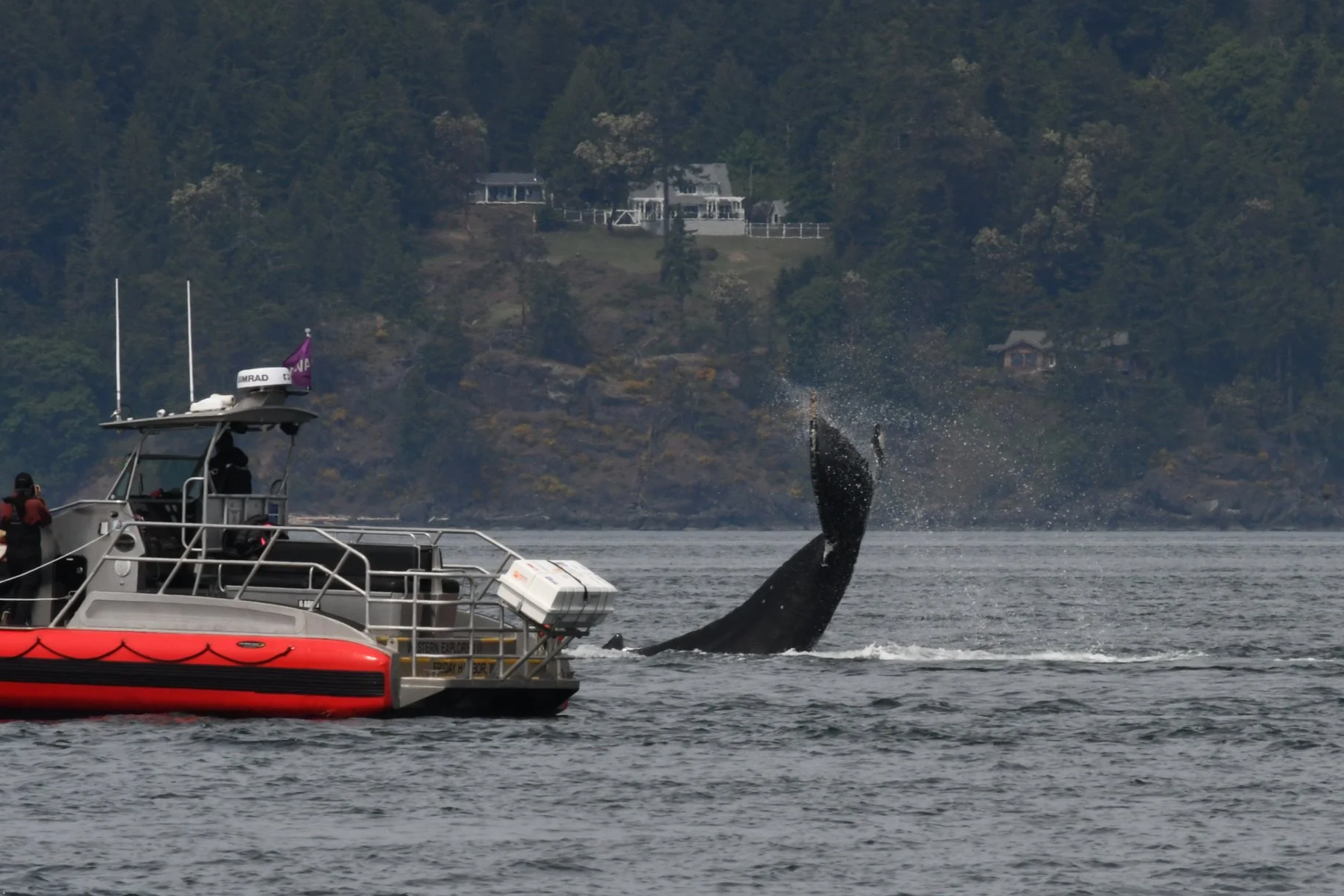
However, we are severely disappointed that avoidance distances for other killer whales in the Salish Sea will not be increased under the Marine Mammal Regulations, and is set at 200m. Currently, under an Interim Order, the avoidance distance for other ecotypes in the Southern Salish Sea is 400m (with an exception for trained whale watchers who apply for a special exemption). This interim order will be abolished and the MMRs will be the reigning legislation for killer whale avoidance distances once approved. Additionally, baleen whales, such as Humpback whales, can be viewed from 100m away (200m if resting or with a calf).
If you wish to comment to Canada on their proposed changes to the Marine Mammal Regulations, we urge you to support the 1000m avoidance distance for SRKW. Should you wish to voice concerns over the distance regulations for other whales, we’ve compiled our reasons why we think Canada should increase avoidance distances for all whales.
Comments must be submitted to the Canada Gazette here: https://gazette.gc.ca/rp-pr/p1/2026/2026-03-07/html/reg2-eng.html
Comments must be submitted to Canada by April 21, 2026.
Here’s why we disagree with distance regulations for non-SRKW whales:
A Universal 1,000m Buffer for All Killer Whales
One of the rationales for these MMR changes is to simplify the approach and reduce confusion by removing the interim order; however, it is much less confusing to mandate 1000m from all whales. DFO is currently placing the burden of identification of killer whale ecotype on the public, to be able to discern SRKW from non-SRKW killer whales and know if they must stay 1000m or 200m away. Rather than accepting the responsibility of legislating the Marine Mammal Regulations (MMR) in a way to avoid this conflict. A universal 1000m distance is the only way to ensure Southern Residents are not “accidentally” approached.
The Regression of Protection for Bigg’s Killer Whales
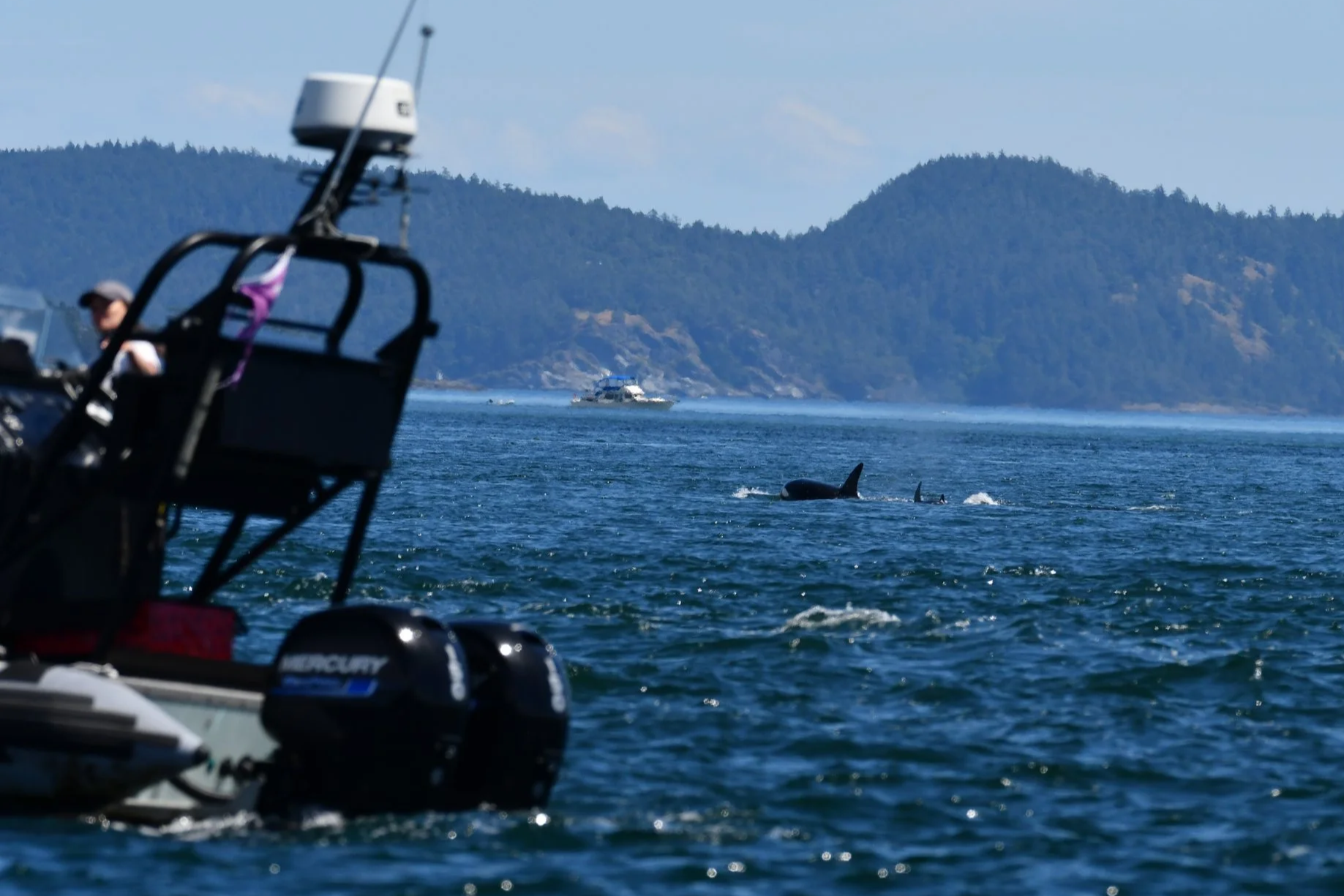
Since June 2019, the avoidance distance for non-SRKW killer whales has been 400m under an Interim Order. By reverting to 200m, Canada is regressing protection for a species listed as "Threatened" by the Species at Risk Act. Bigg’s killer whales face significant physical and acoustic disturbance at 200m, and the economic input from whale watching should not outweigh their quality of life.
Science-Based Evidence: The Critical Impact of Vessel Noise
DFO has suggested in meetings that there is insufficient research on Bigg’s killer whales to legislate a change in the MMRs, yet DFO’s own recovery assessment (An Assessment of the Potential for Recovery of West Coast Transient Killer Whales), states that chronic noise results in the masking of communication signals and interferes with echolocation. Because transients often forage in silence and rely on passive listening, vessel noise directly reduces their foraging efficiency. Furthermore, vessels in close proximity can cause whales to abandon attacks.
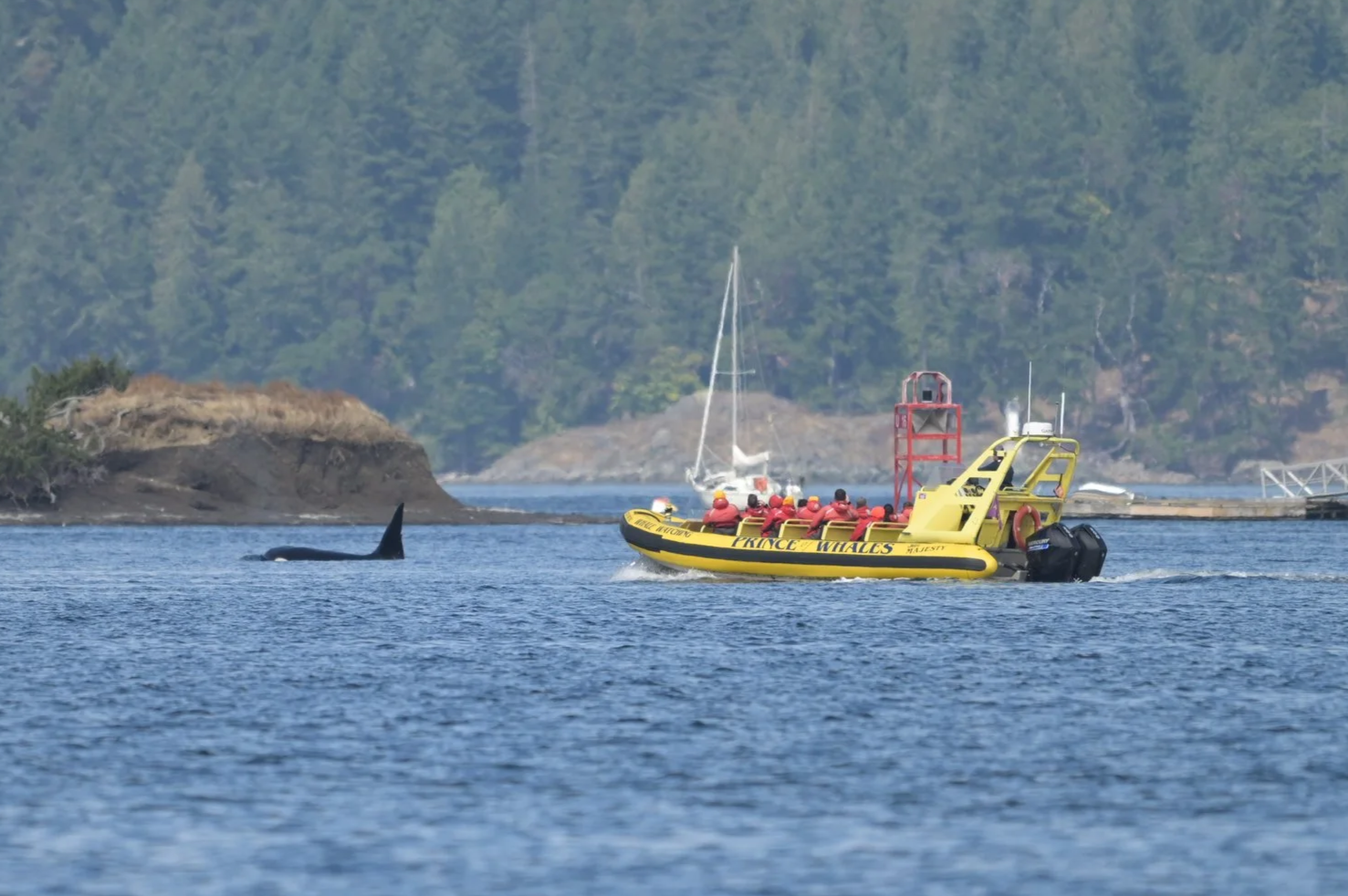
Additionally, in 2025 there were multiple Humpback whale vessel strikes and deaths caused by ferries and ecotourism. If trained professional mariners in the ecotourism industry (Prince of Whales) can hit and kill a humpback, this should be evidence that there needs to be stronger legislation to protect these whales, who are listed as a “Species of Special Concern” under Canada’s Species at Risk Act.
Prioritizing Preservation Over Profit
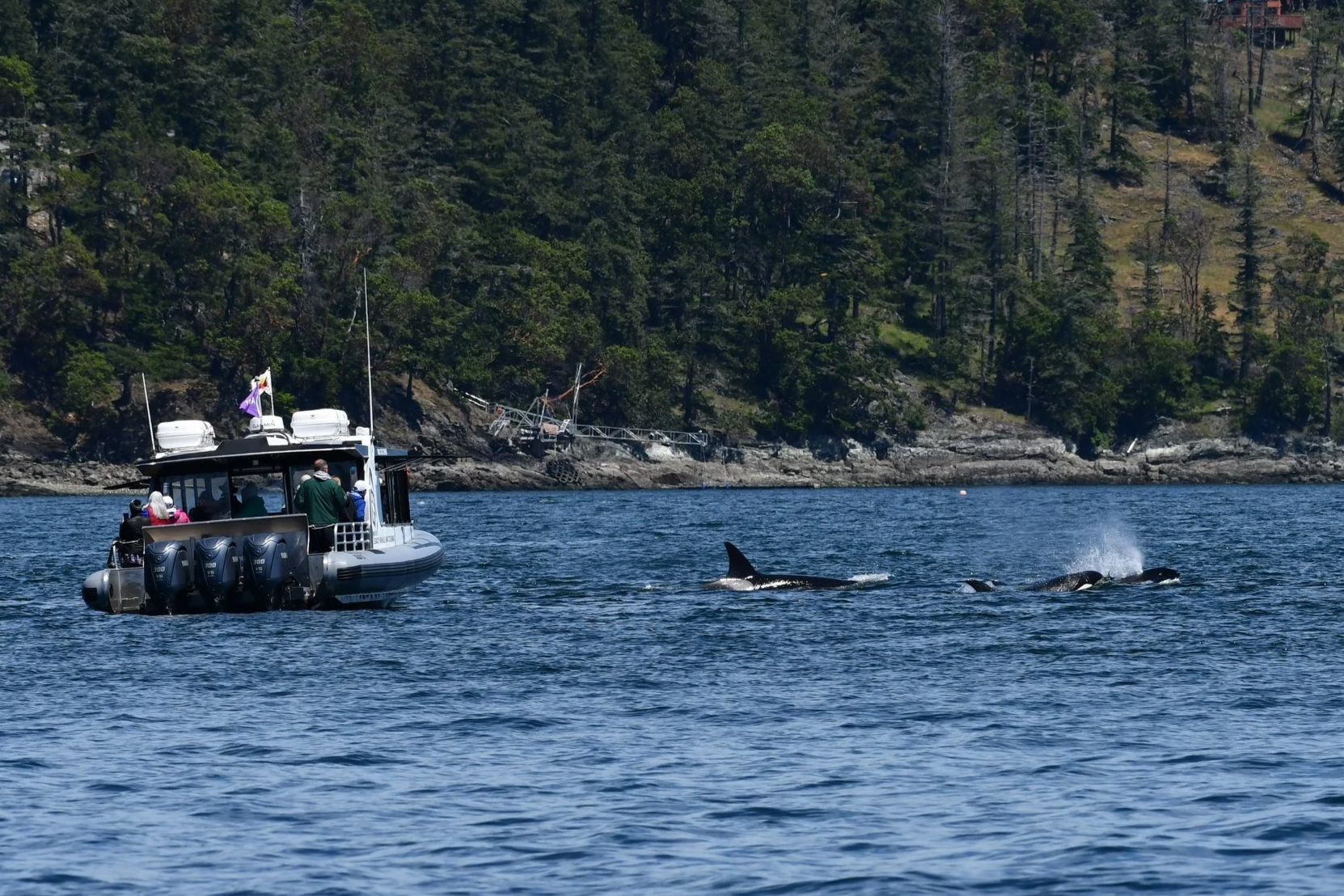
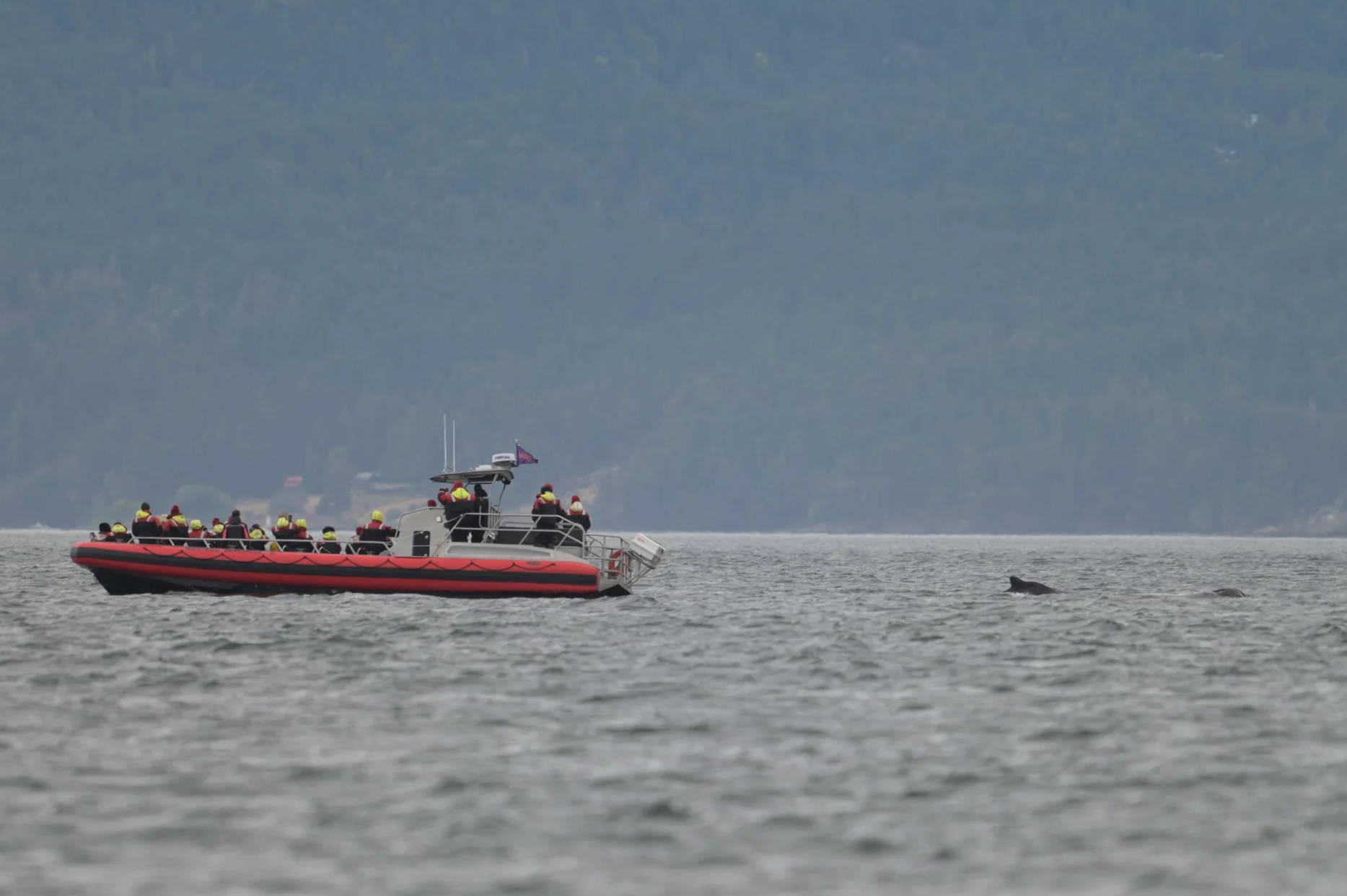
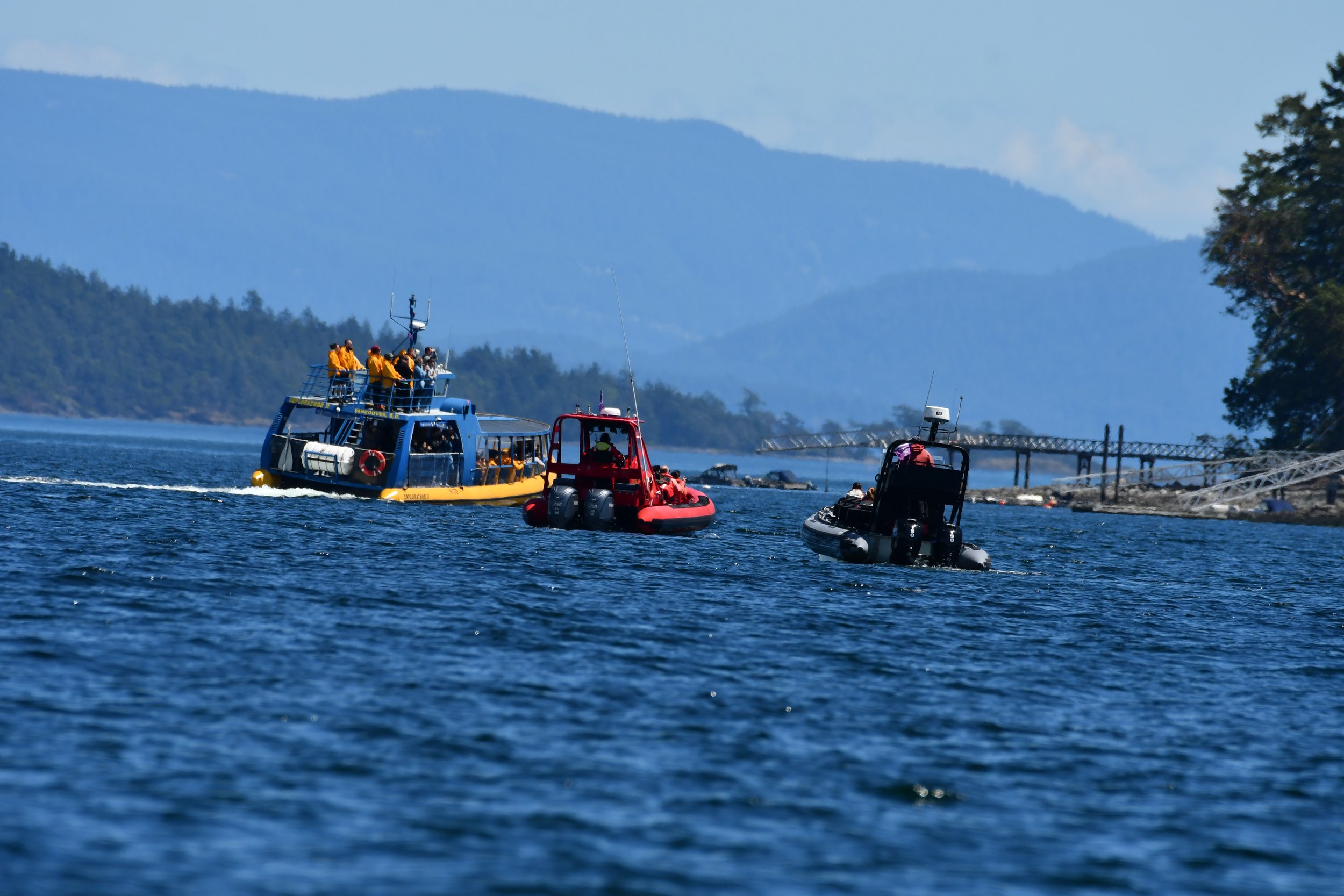
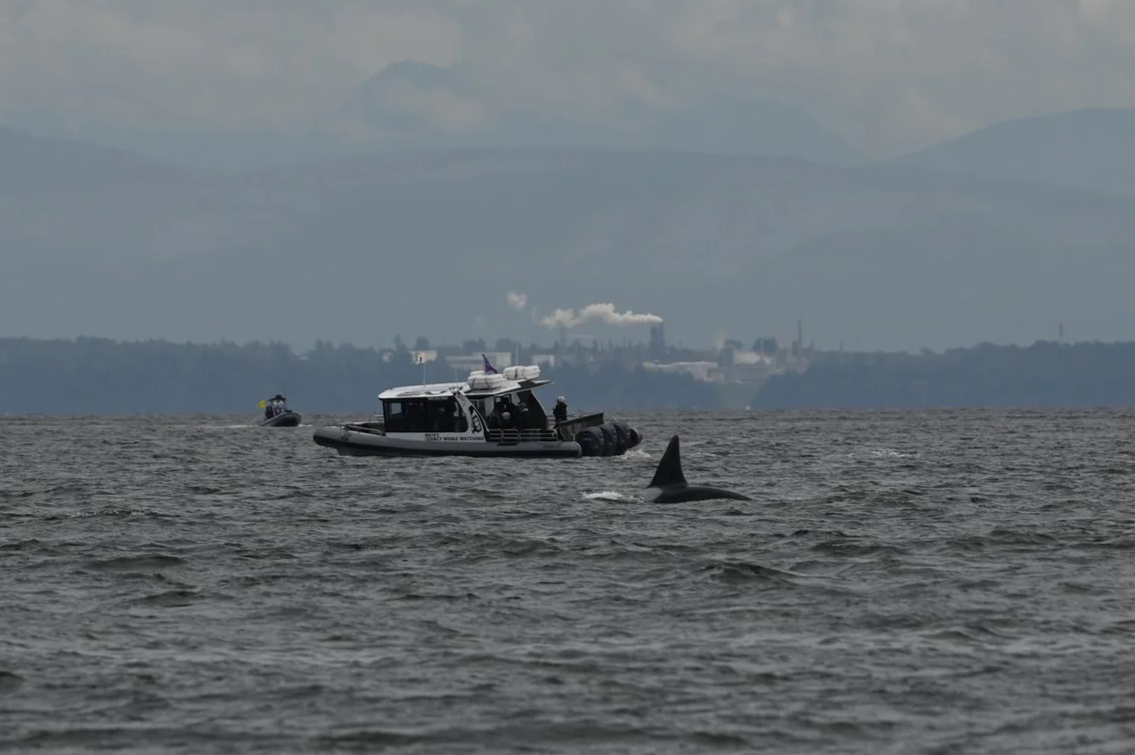
When all of Canada was consulted on the MMRs, from 2023 to 2025, academia, NGOS, and many Indigenous Nations urged the government of Canada to implement an increase avoidance distance to 400 or 1,000 metres for all Pacific killer whales. The whale-watching industry members were the only group to “express concern” over distances greater than 200m for non-SRKW. These proposed amendments to the MMRs exhibit that the Government of Canada is putting whale watchers above First Nations, academia, NGOs, and the well-being of the whales. We continue to receive reports of companies breaking rules and aggregating in flotillas of 10+ vessels ensure a "guaranteed whale sighting” for customers. Nothing will change unless those in charge stop prioritizing profit over preservation. We need limits on ecotourism licenses, number of vessels with a given whale or whales at a time, and the abolition of "guaranteed sightings."
Addressing the "Identification Gap" and Enforcement Realities
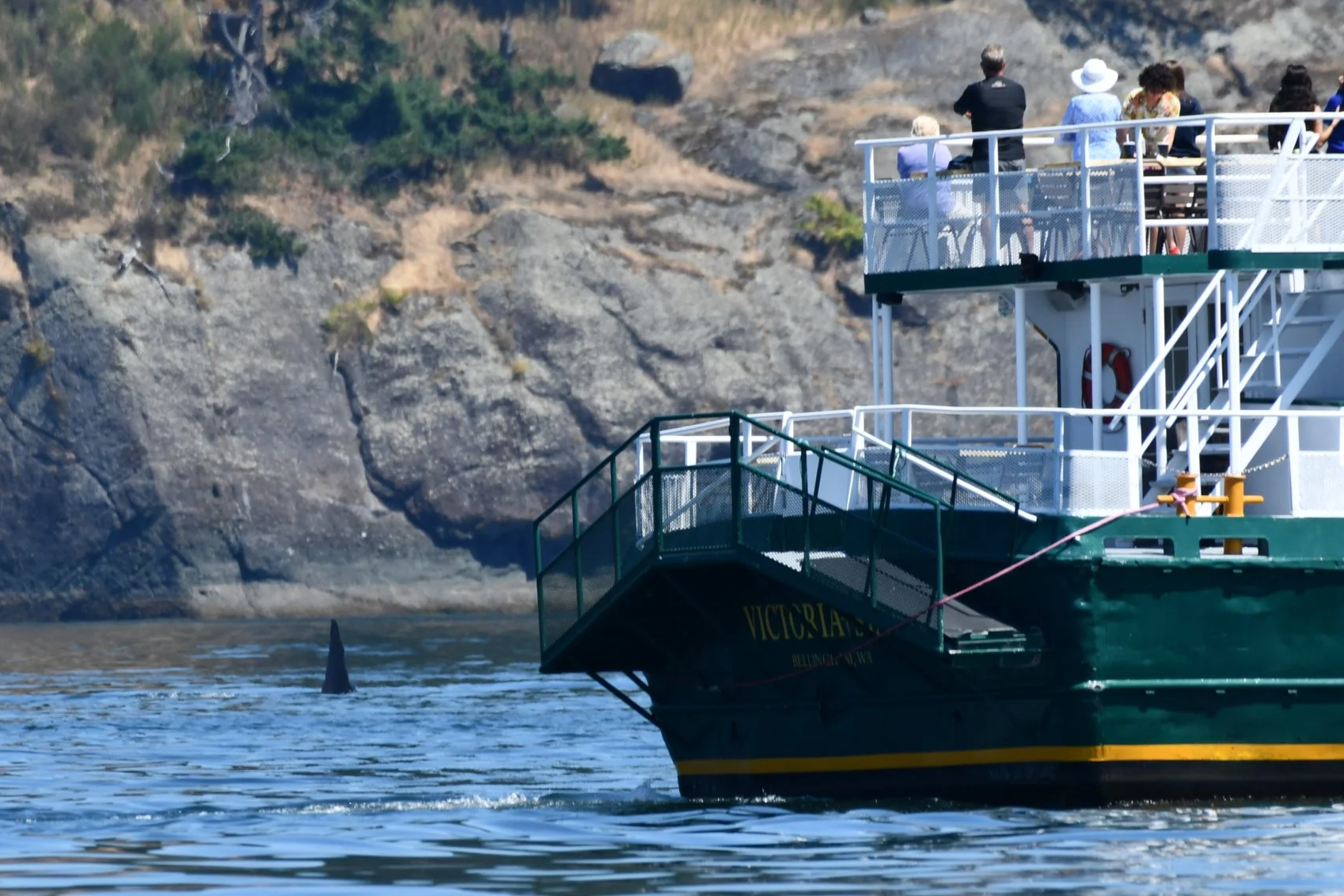
SRKW will likely face disturbance from whale watching and other vessels as vessels will likely approach closer than 1000m in order to ID ecotype. The Pacific Whale Watching Association (PWWA) has publicly stated that identifying Killer Whale ecotype from 1000m away is “very difficult” and wonders if they will get “a grace period [to be closer than 1000m distance] in order for [PWWA whale watchers] to identify them”. Our team has observed multiple instances of whale watchers viewing SRKW for 10 to 20 minutes.
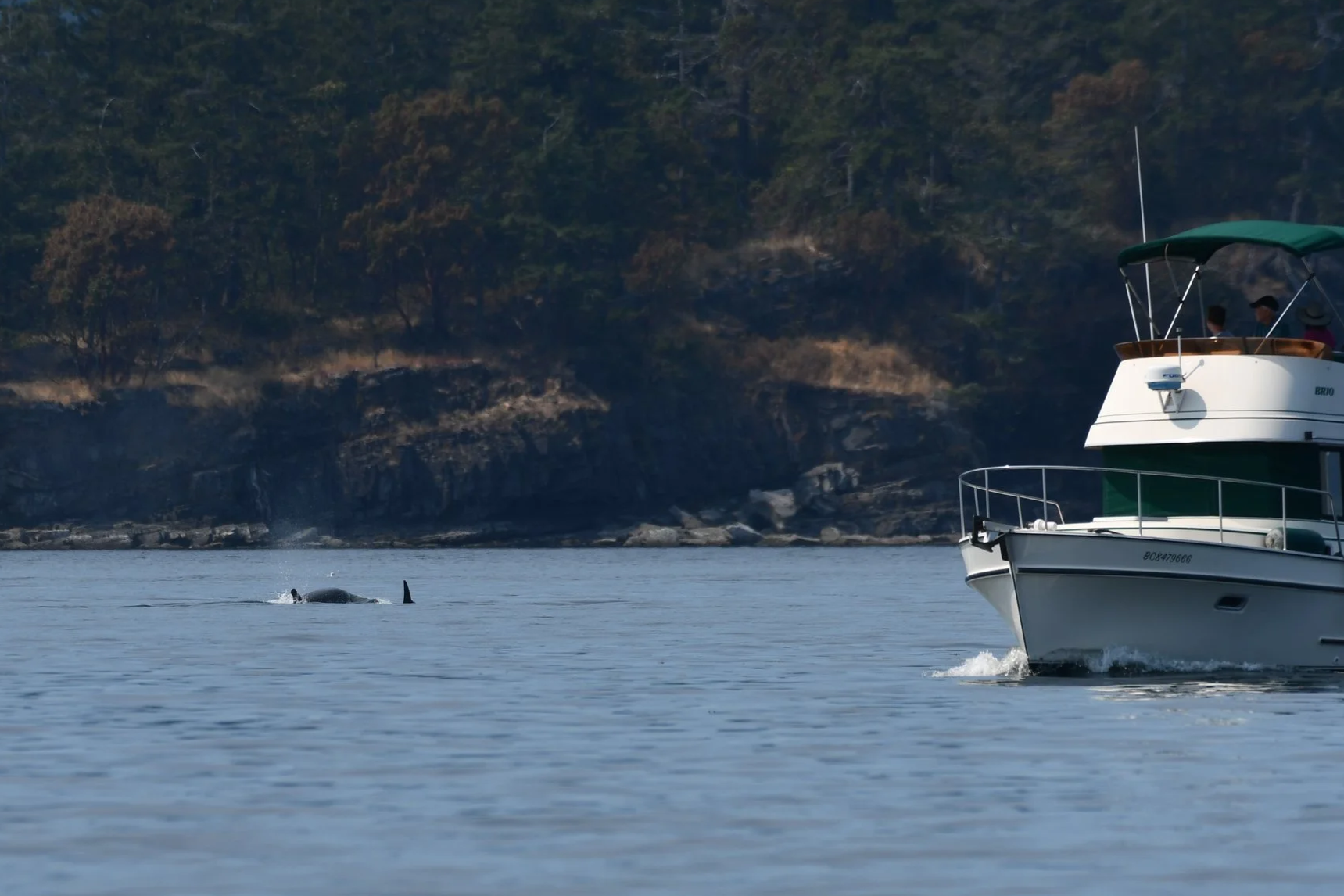
Additionally, DFO enforcement has acknowledged that identifying what a 200m distance is on the water is challenging; therefore, a larger buffer is required to ensure that if vessels are closer, they are still at a safer distance. Shorter viewing distances cause the potential for increased close encounters if whales unexpectedly change direction, or strong currents/winds push vessels w engines in neutral. Larger buffer zones will prevent close encounters and reduce risk of strike and, acoustic and physical disturbance to whales. Most especially when there are many vessels around a group of whales, risk of close encounter is increased- licensing ecotourism and increased viewing distances will decrease risk.
Making distance regulations to all whales 1000m will reduce any confusion for all mariners.
Finally, DFO should legislate that it is illegal to watch SRKW entirely, rather than assuming a 1000m distance will abolish the practice.
Bridging the divide Between Policy and the Salish Sea
A major problem is that those in charge of the Salish Sea are making final decisions from behind a computer screen across Canada. We need people who are present in these waters in charge because they see the true issues. Lack of whale watching licensing continues the divide between Washington and BC, leaving BC trailing behind. Ignoring the 400m to 1000m recommendations from the scientific and Indigenous community creates a profound mistrust in the consultation process.
Comments must be submitted to the Canada Gazette here: https://gazette.gc.ca/rp-pr/p1/2026/2026-03-07/html/reg2-eng.html
Comments must be submitted to Canada by April 21, 2026.